In the current digital-first economy, where the most valuable currency is attention, hype marketing has become one of the most effective tactics available to marketers. It’s quick, poignant, and made to go viral. Hype driven brands and products frequently achieve rapid success, not due to their superior quality but rather due to the desire they arouse.
What is Hype Marketing?
The purposeful instillation of a sense of urgency and excitement around a product, frequently before its official release, is known as hype marketing. In contrast to conventional advertising, hype marketing seeks to pique interest, use social proof, and create feelings of anticipation. When it works, there are lines around the block, sell-outs in a matter of minutes, and viral buzz
The key points of Hype Marketing
- Spark
- Scarcity & FOMO (Fear of Missing Out)
- Secondary Craze
- Trend association
- Community belonging
The Psychology Behind Hype Marketing
Spark
To get early attention, the initial concept or release must seem novel, audacious, or unique. The hook is important, whether it’s Labubu’s design, Prime’s famous founders, or the viral strategies used by fidget spinners
Scarcity & FOMO
People desire things they believe are out of their reach. Hype marketing takes advantage of this by portraying goods as rare or difficult to obtain.
Secondary Craze
A new wave comes after the initial one. To keep the flame burning, brands release new editions, drops, or updates because people who missed out want in
Social Amplification
People turn into marketers when they post the product online. Memes, reviews, and unboxings all contribute to the hype machine
Cultural Lock-In
A product gains longevity once it is associated with a cultural moment. It creates communities. You are a part of something greater when you own the product.
Labubu A Collector’s Dream Fueled by Scarcity
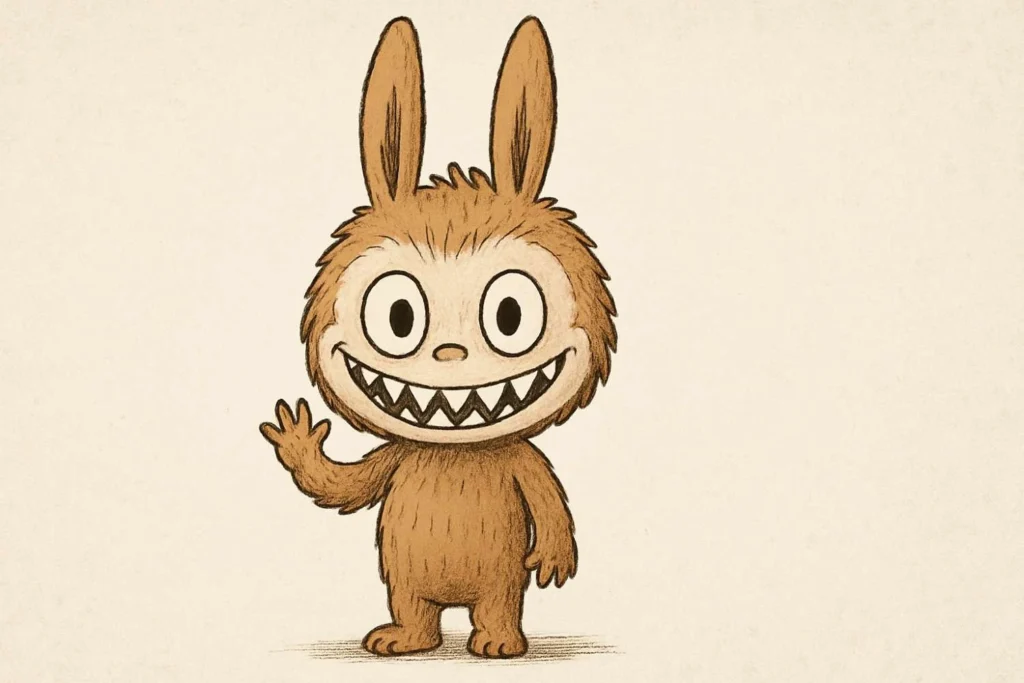
Labubu, a designer toy from the POP MART line, has gained popularity among collectors. In niche communities, the oddball figure created by Kasing Lung is more than just a toy; it is a cultural icon
Spark
Labubu first sparked interest in the designer toy community due to its unique aesthetic and mysterious blind-box nature. Collectors never know which version they’ll receive
Scarcity & FOMO
POP MART drops limited quantities. Rare variants fetch hundreds of dollars in resale. If you miss the drop, you may never own that edition again
Social Amplification
Collectors share unboxings and trades on Instagram . Influencers created mass curiosity even outside traditional toy circles
Cultural Lock In
Owning Labubu is now a status symbol in niche art communities. It’s no longer just about the toy it’s about being in the know.
Fidget Spinner The Accidental Trend That Went Global
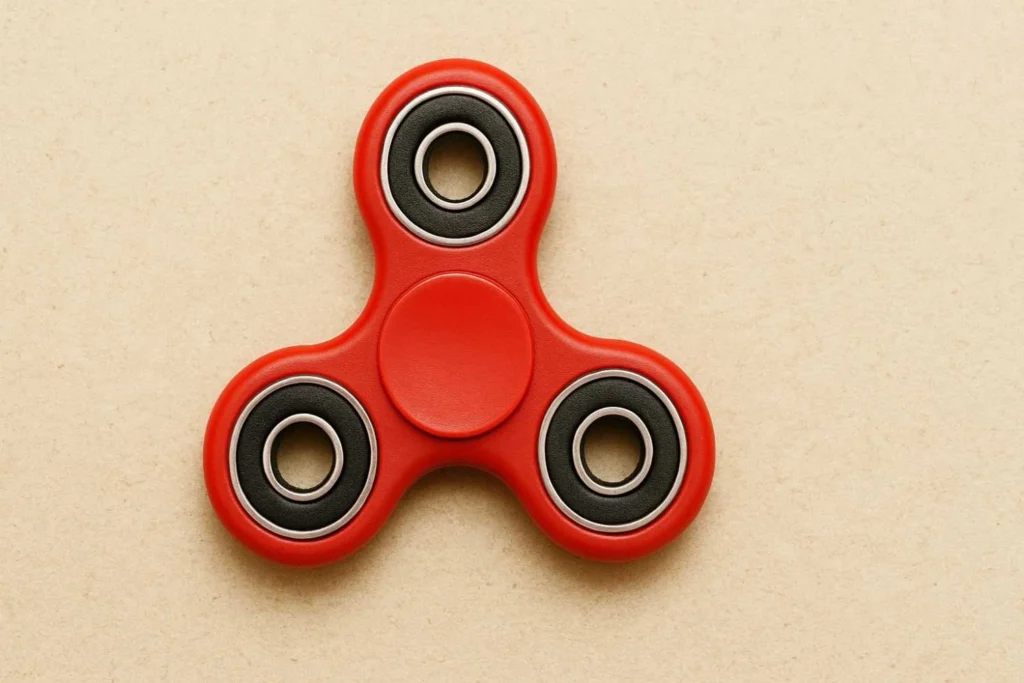
The fidget spinner, which was first created as a therapeutic tool, went viral in 2017, particularly among schoolchildren
SPARK
Videos on social media that showed off fidgeting techniques soon accumulated millions of views. The rest was handled by word of mouth.
Secondary Craze
Everyone needed one after a few children brought them to school. Within weeks, the craze spread around the world
Scarcity & FOMO
Shops sold out as demand surged. The fire was fuelled by this fabricated scarcity
Social Amplification
YouTube, Vine (at the time), and later TikTok were flooded with trick videos, tutorials, and memes
Cultural Lock-In
There was more to fidget spinners than just toys. They served as conversation starters, stress relievers, and collectibles. They had to be prohibited in schools as well.
Prime Hydration Hype Powered by Influence
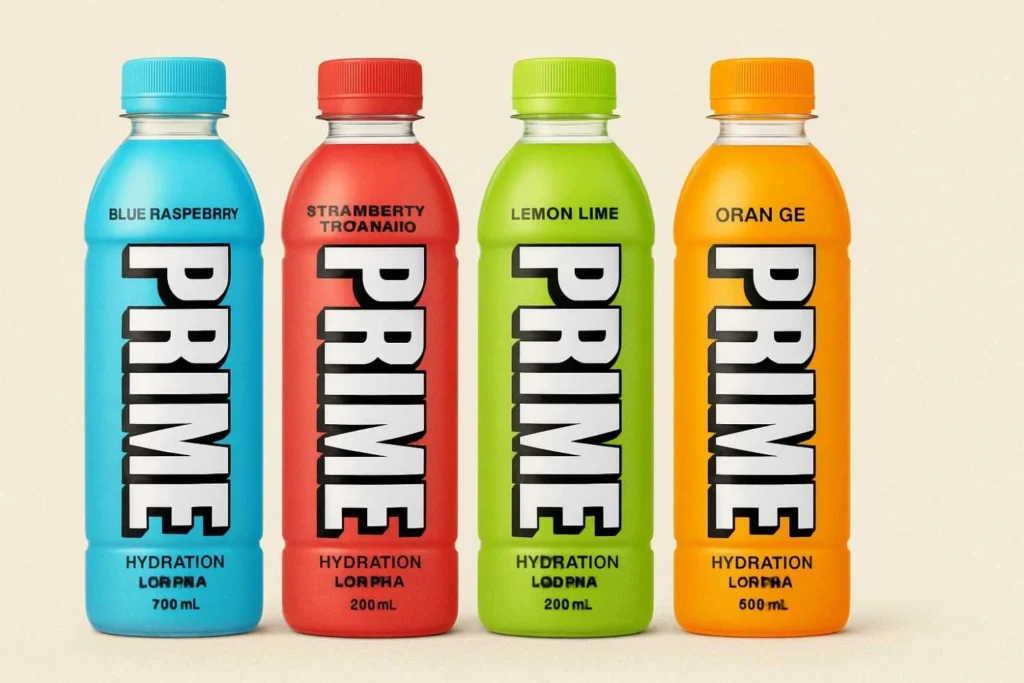
YouTube sensations Logan Paul and KSI launched Prime Hydration, which quickly became a lifestyle product and dominated the cutthroat beverage industry
Spark
Millions of people watched the announcement video, and fans were excited to receive the product
Scarcity & FOMO
Product scarcity at first was deliberate. People waited in queue outside shops. For five times the retail price, some even resold bottles online.
Social Amplification
Every sip, every store sighting, every restock – fans documented it all. Even non-fans became curious.
Cultural Lock-In
Prime evolved from a beverage to a representation of pop culture, youth identity, and creative influence
Secondary Craze
International releases and limited-edition flavours generated recurring demand waves.
The Dark Side of Hype Marketing
Hype marketing has the potential to create worldwide phenomena, but it can also backfire.
Overpromise, Underdeliver
Backlash is quick when the product doesn’t live up to the high standards created by the hype.
Consumer Burnout
Constant scarcity tactics can wear down or manipulate buyers
Ethical Issues
Concerns regarding responsible marketing arise when children are the target, as is the case with Prime
Short-Term Thinking
If hype isn’t supported by quality, it might not create enduring loyalty even though it can quickly increase revenue.
Why Air Jordans Still Sell Out 40 Years Later
1. A Controversial Story Hooked People
The NBA “ban” on the original Air Jordans wasn’t merely a regulation; it became the subject of a story. What might have been a setback was turned into a rebellious selling point by Nike. Customers felt like they were a part of something edgy, and this generated curiosity (“Why are these shoes banned?”)
2. Scarcity Created Urgency
Nike didn’t oversupply the market. Because the first Air Jordans were purposefully limited, customers had to hurry to get one. The shoes became immediately valuable in resale markets as a result of this scarcity, which caused FOMO.
3. Cultural Adoption Amplified the Hype
The trainers gained legitimacy from Michael Jordan’s on-court exploits, but they became aspirational due to streetwear, hip-hop culture, and music. They evolved from basketball shoes to a badge of lifestyle.
4. Ongoing Anticipation Through Annual Drops
The excitement was maintained by the annual release of a new Jordan model. Fans were aware that prices would soar if they missed the release. This led to the development of a ritualistic purchasing habit.
5. Nike Controlled the Narrative
The “cool factor” was intended to be emphasised in every advertisement, public declaration, and release. Decades later, Nike’s narrative continues to make the Air Jordan brand culturally relevant.
The success of Air Jordan is evidence that when cultural significance, superb hype marketing, and sports prowess come together, the end product becomes more than just a product it becomes a legacy. In addition to producing shoes, Nike invented a means for individuals to simultaneously express themselves, fit in, and stand out. Because Air Jordans aren’t just worn they’re lived in the magic hasn’t diminished over the years
“Hype marketing demonstrates how brands can turn ordinary products into cultural icons by combining social buzz, FOMO, and scarcity in the ideal proportions. Building long-term influence, excitement, and loyalty is more important than making quick sales. When hype is done right, it becomes a movement that keeps customers coming back for more